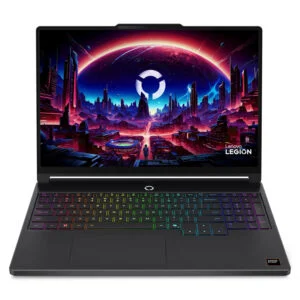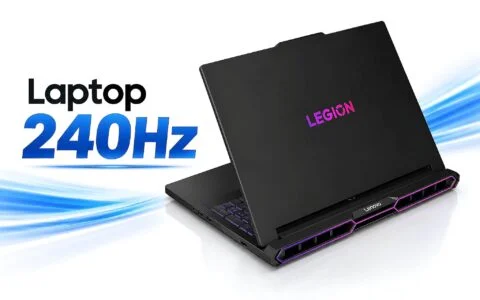
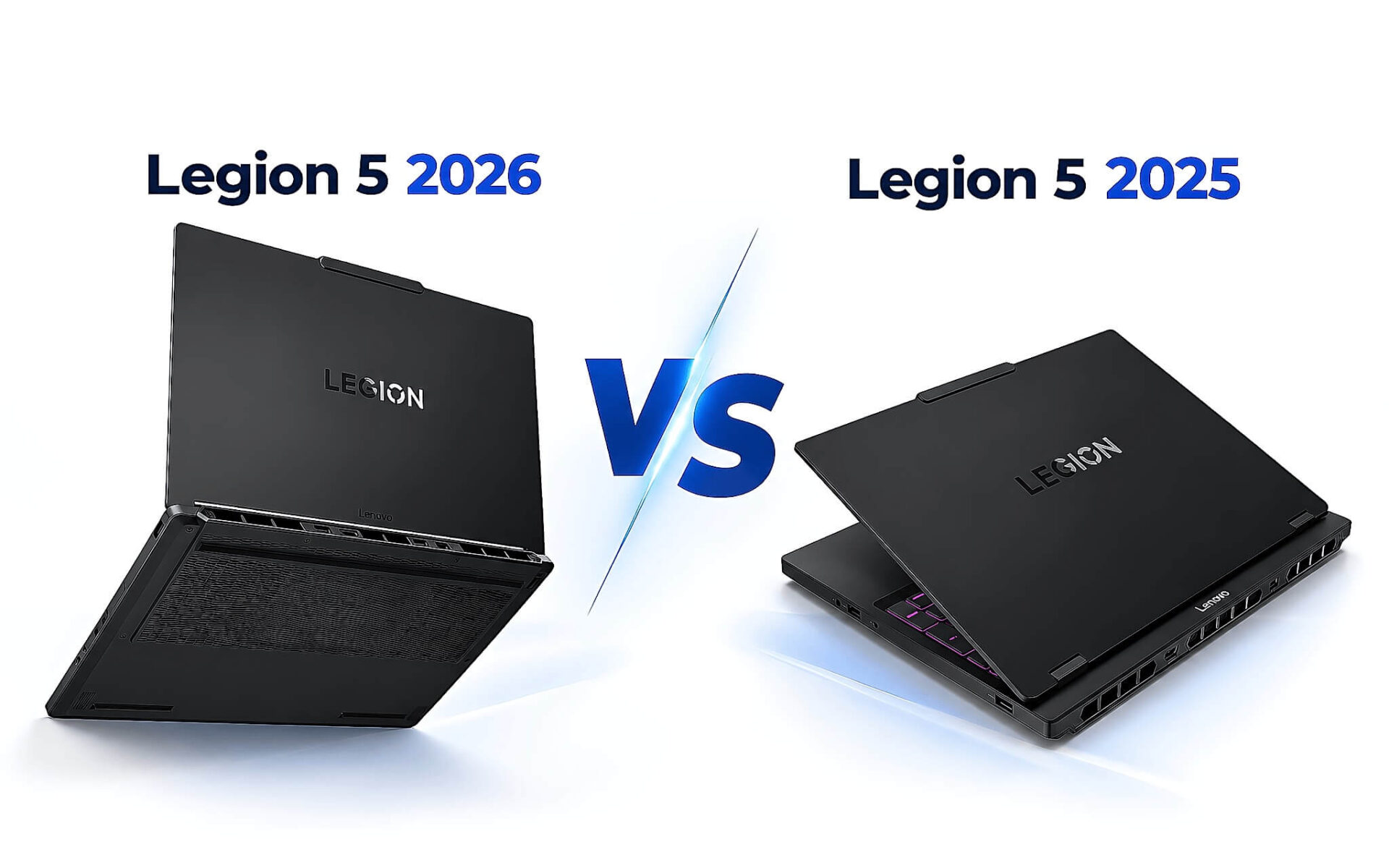
Lenovo refreshed its Legion 5 lineup with Gen 11, but the Legion 5 2026 does not surpass its predecessor across every category. Gen 11 is Lenovo's generational designation for the 2026 Legion 5, while the 2025 Gen 10 remains on sale alongside it. Drawing on Lenovo PSREF specifications and Notebookcheck benchmarks, this comparison pits two 2026 configurations powered by the Ryzen 7 250 and Core Ultra 7 356H against three 2025 Gen 10 models, helping you pick the right version for gaming, content creation, battery life, and portability.
Legion 5 2026 Gets a Redesign, Slimmer and Lighter Than Gen 10
Unlike previous minor updates, the Gen 11 Legion 5 2026 introduces a brand-new chassis. According to PSREF, the 15AHP11 and 15IPH11 configurations measure 344 x 244.5 mm, come in at 18.95 to 19.95 mm thick, and have a starting weight of 1.87 kg. In the previous generation, the OLED version of the Legion 5 Gen 10 measured 344.9 x 255.35 mm, stood 19.95 to 21.54 mm thick, and started at 1.9 kg. While weight remains virtually identical, the new chassis is nearly 11 mm shallower and roughly 1 to 1.5 mm thinner.
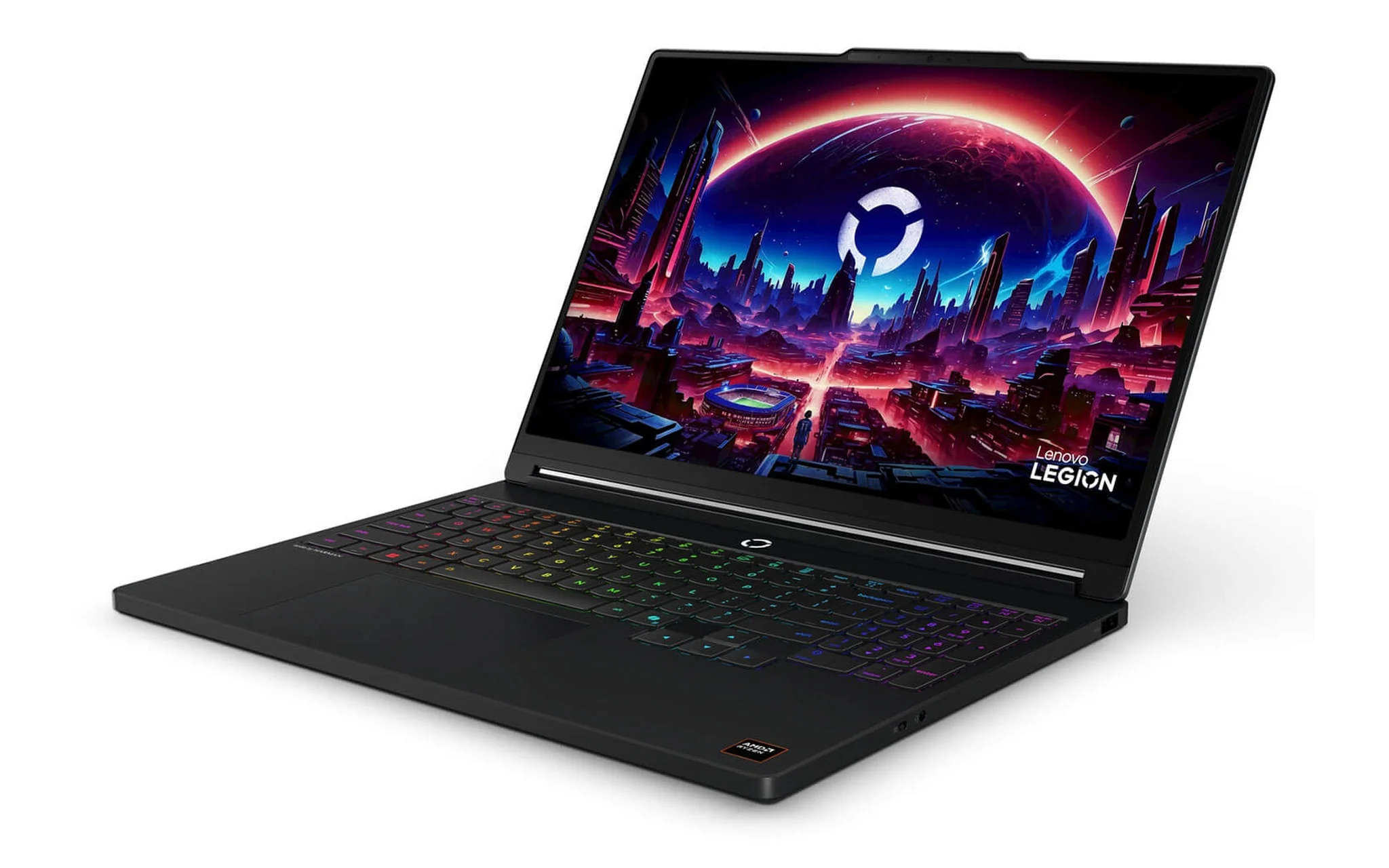
The screen steps up from 15.1 inches to 15.3 inches while retaining the WQXGA 2560 x 1600 resolution, OLED panel, 165Hz refresh rate, and 100% DCI-P3 coverage. PSREF notes that the Legion 5 Gen 11 display earns DisplayHDR True Black 1000 certification, up from True Black 600 on the prior generation, and adds both G-SYNC and Advanced Optimus. Both generations deliver 500 nits of brightness in SDR mode, 1000 nits during HDR playback, and factory X-Rite color calibration.
Port selection warrants a close look because the two Legion 5 Gen 11 variants differ. The AMD 15AHP11 model features two USB4 40Gbps USB-C ports, both supporting 65 to 100W PD charging and DisplayPort 1.4 output. The Intel 15IPH11 switches to one Thunderbolt 4 port alongside one 10Gbps USB-C port, offset by having two of its three USB-A ports rated at 10Gbps. Both models keep HDMI 2.1, an RJ-45 Ethernet port, and a 3.5mm audio jack for external monitor setups during desktop gaming.
Ryzen 7 250 and Core Ultra 7 356H Lean Toward Power Efficiency
The most significant change in the Legion 5 2026 involves the processors. AMD's spec sheet lists the Ryzen 7 250 in the Hawk Point family, offering 8 cores and 16 threads with a default 28W TDP configurable between 15 and 30W. The Ryzen 7 260 on the Legion 5 Gen 10 is likewise an 8-core, 16-thread Hawk Point chip, but features a 45W default TDP and a 35 to 54W range. In other words, the new AMD model uses a processor built on the same architecture but tuned for a lower power envelope.
| Processor | Legion 5 Configuration | Cores / Threads | Base TDP (W) | Cinebench R23 Multi-Core (Points) |
|---|---|---|---|---|
| AMD Ryzen 7 250 | 15AHP11 (Gen 11) | 8 / 16 | 28 | 14,256 |
| Intel Core Ultra 7 356H | 15IPH11 (Gen 11) | 16 / 16 | 25 | 19,523 |
| AMD Ryzen 7 260 | 15AHP10 (Gen 10) | 8 / 16 | 45 | 17,277 |
| Intel Core i7-14700HX | 15IRX10 (Gen 10) | 20 / 28 | 55 | 24,595 |
| Intel Core Ultra 7 255HX | 15IAX10 (Gen 10) | 20 / 20 | 55 | 32,612 |
The Cinebench R23 scores in the table represent averages measured by Notebookcheck across multiple laptops using the same processors, rather than dedicated tests on the Legion itself. Even so, the performance gap is unmistakable: the Core Ultra 7 255HX on the 15IAX10 reaches 32,612 points, more than double the Ryzen 7 250. For heavily multi-threaded workloads such as 3D rendering, code compilation, or CPU-based video exports, the HX-equipped Legion 5 Gen 10 maintains a clear performance advantage over the two new models.
The Core Ultra 7 356H belongs to the Panther Lake generation. According to PSREF, it features 16 cores (4 P-cores, 8 E-cores, and 4 LP E-cores), a max boost clock of 4.7GHz, and an NPU delivering up to 50 TOPS, qualifying the Intel model as a Copilot+ PC. Notebookcheck lists the chip's base power at 25W. Earlier this year, the report Intel Core Ultra 7 251HX Surfaces on Lenovo Legion 5i 2026 and MSI Raider tracked a 55W HX processor appearing in retail listings, whereas the 15IPH11 configuration in PSREF uses an H-series chip that prioritizes performance per watt.
At the Same 115W TGP, the RTX GPU Determines In-Game Frame Rates
On the graphics front, the PSREF sheets for all five models in this comparison list a 115W TGP for the GPU, across the RTX 5050, RTX 5060, and RTX 5070. That means moving from the Legion 5 Gen 10 to the Legion 5 2026 brings no extra power delivery to the graphics card. For a given GPU model, in-game frame rates depend primarily on the graphics card itself and the chassis cooling system, while the CPU only makes a noticeable difference at lower resolutions or in heavily threaded titles.
| Graphics Card | Memory | TGP on Legion 5 | 3DMark Time Spy (Score) | Cyberpunk 2077 QHD Ultra (FPS) |
|---|---|---|---|---|
| RTX 5050 Laptop | 8GB GDDR7 | 115W | 9,122 | 46.1 |
| RTX 5060 Laptop | 8GB GDDR7 | 115W | 11,755 | 55.5 |
| RTX 5070 Laptop | 8GB GDDR7 | 115W | 13,536 | 64.6 |
These figures are drawn from Notebookcheck's database, averaging multiple laptops running the same GPU on Cyberpunk 2077 at 2560 x 1440, Ultra preset, with FSR disabled. This resolution is also the closest match to the Legion 5 line's WQXGA panel. Stepping up from the RTX 5050 to the RTX 5060 yields roughly a 20% bump in frame rates, while jumping from the RTX 5060 to the RTX 5070 adds another 16% or so. All three cards feature only 8GB of VRAM, so in newer, texture-heavy titles, dialing back detail settings is advisable rather than cranking every setting to the max.
If you are weighing the different GPU tiers for video editing or 3D work, the article on RTX 5050 vs 5060 vs 5070 Ti: Laptop Performance by Task analyzes each GPU tier by workload. For the Legion 5 lineup specifically, the RTX 5050 configuration suits esports titles and 2D design, while the RTX 5060 hits a balanced sweet spot for AAA gaming at QHD resolution with DLSS 4 enabled. Users working in 3D rendering, running local AI models, or planning to keep their laptop for years should target the RTX 5070, as the PSREF rates its AI performance at 798 TOPS compared to 572 TOPS on the RTX 5060.
An 80Wh Battery Helps the Legion 5 Gen 11 Last Longer Away From the Outlet
If you regularly carry your laptop to class or the office before gaming at night, this is where the Legion 5 2026 pulls far ahead of its predecessor. Both Gen 11 versions pack an 80Wh battery, support Rapid Charge Pro to reach 50% in 30 minutes, and ship with a 245W adapter. Lower-power-rated processors paired with Advanced Optimus, a mechanism that switches the display to integrated graphics during light workloads, significantly boost battery life under MobileMark 30 compared to the Legion 5 Gen 10.
| Legion 5 Configuration | Battery Capacity | MobileMark 30 (Hours) | 1080p Video Playback (Hours) |
|---|---|---|---|
| 15IPH11 (Gen 11) | 80Wh | 13 | 13.5 |
| 15AHP11 (Gen 11) | 80Wh | 10.2 | 12.1 |
| 15AHP10 (Gen 10) | 80Wh | 5.6 | 9.6 |
| 15IAX10 (Gen 10) | 80Wh | 4.4 | 10.8 |
| 15IRX10 (Gen 10, 80Wh battery model) | 60Wh or 80Wh | 4.2 | 9 |
The runtimes listed in the table represent the maximum figures published by Lenovo in its PSREF, tested at 250 nits of brightness for MobileMark 30 and 150 nits for the video playback test; real-world numbers will be lower when you increase brightness or run multiple applications. Even so, the 13-hour mark on the 15IPH11 is roughly triple the 4.4 hours of the 15IAX10. The AMD-powered 15AHP11 reaches 10.2 hours, nearly double the 5.6 hours of the Ryzen 7 260-equipped 15AHP10, underscoring that the new generation's clearest advantage lies in battery life.
In return, the Gen 10 generation charges faster during the first half hour: PSREF lists Super Rapid Charge technology reaching 70% in 30 minutes, outperforming the Gen 11's 50%. Both generations support USB-C PD charging up to 100W, which is plenty for carrying a compact charger for everyday office work, though gaming at peak performance still requires plugging into the original adapter. Full specs for each model can be checked on Lenovo PSREF using the machine type.
Legion 5 Gen 10: Cheaper or More Powerful Depending on Configuration
If budget is your top priority, the Lenovo Legion 5 15AHP10 (AMD) (2025) is the most affordable way to own an OLED Legion 5, starting at 39.29 million VND for the Ryzen 7 260 configuration with 16GB RAM, 512GB SSD, and an RTX 5050. The RTX 5060 version with 24GB RAM and a 1TB SSD is priced at 42.99 million VND, which is 12 million VND less than the 2026 AMD Legion 5 with an RTX 5060. With the same 115W TGP and a CPU that is stronger in multi-core performance, this Gen 10 Legion 5 is a great fit for gamers who typically stay plugged in at a desk.
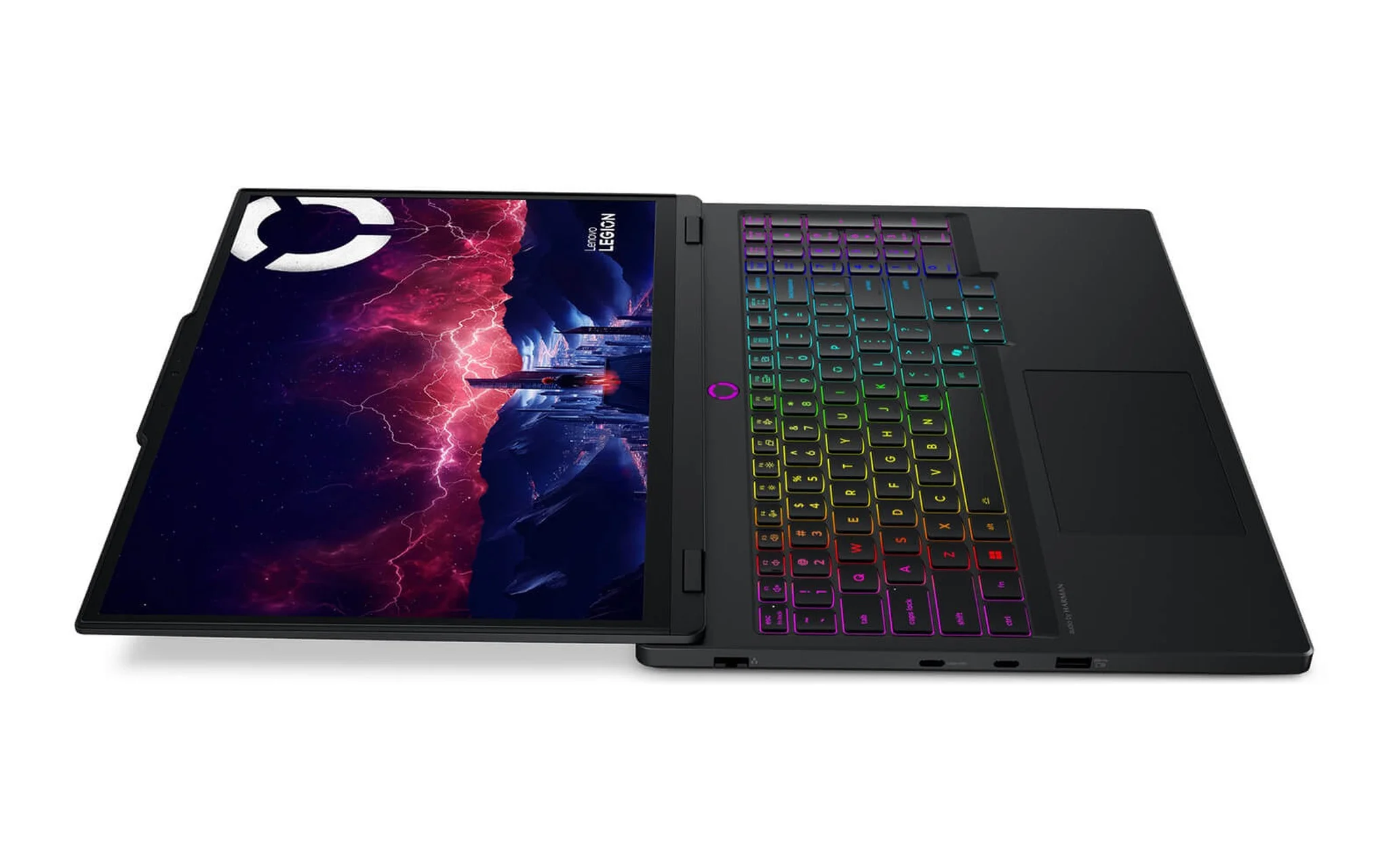
On the Intel side, the Lenovo Legion 5 15IAX10 (2025) uses a 20-core Core Ultra 7 255HX and comes standard with 32GB RAM and a 1TB SSD across both configurations. The RTX 5060 version is priced at 50.29 million VND, while the RTX 5070 version is 54.79 million VND, matching the price of the 2026 AMD Legion 5 with an RTX 5060 but offering more power in both the CPU and GPU. This is a sensible option for video editors, 3D renderers, or technical designers requiring high core counts, featuring Thunderbolt 4 ports for high-speed external drives.
Another option is the Lenovo Legion 5 15IRX10 (2025) with a 20-core, 28-thread Core i7-14700HX and P-core boost speeds up to 5.5GHz according to PSREF. The RTX 5050 version with 16GB RAM and a 512GB SSD is priced at 51.99 million VND, while the RTX 5070 version with 24GB RAM and a 1TB SSD is 58.5 million VND. This laptop lacks USB4 or Thunderbolt ports, and its multi-core performance is lower than the 255HX chip, making it suitable for users accustomed to the 14th Gen Intel Core platform who specifically need an RTX 5070 paired with an i7 HX chip.
Choosing Between the Legion 5 2026 and Gen 10 Based on Your Needs
If you are a student or office worker who carries a laptop all day and only games in the evening, the Lenovo Legion 5 15AHP11 (AMD) (2026) is the most balanced model in the 2026 Legion 5 lineup. This laptop weighs 1.87kg, offers 10.2 hours of battery life per MobileMark 30, features two USB4 ports, and has a 15.3 inch OLED display. The RTX 5050 version is priced at 51.99 million VND, and the RTX 5060 version is 54.99 million VND; the 16GB RAM configuration uses a single stick, leaving one slot free to upgrade to 32GB per PSREF limits.
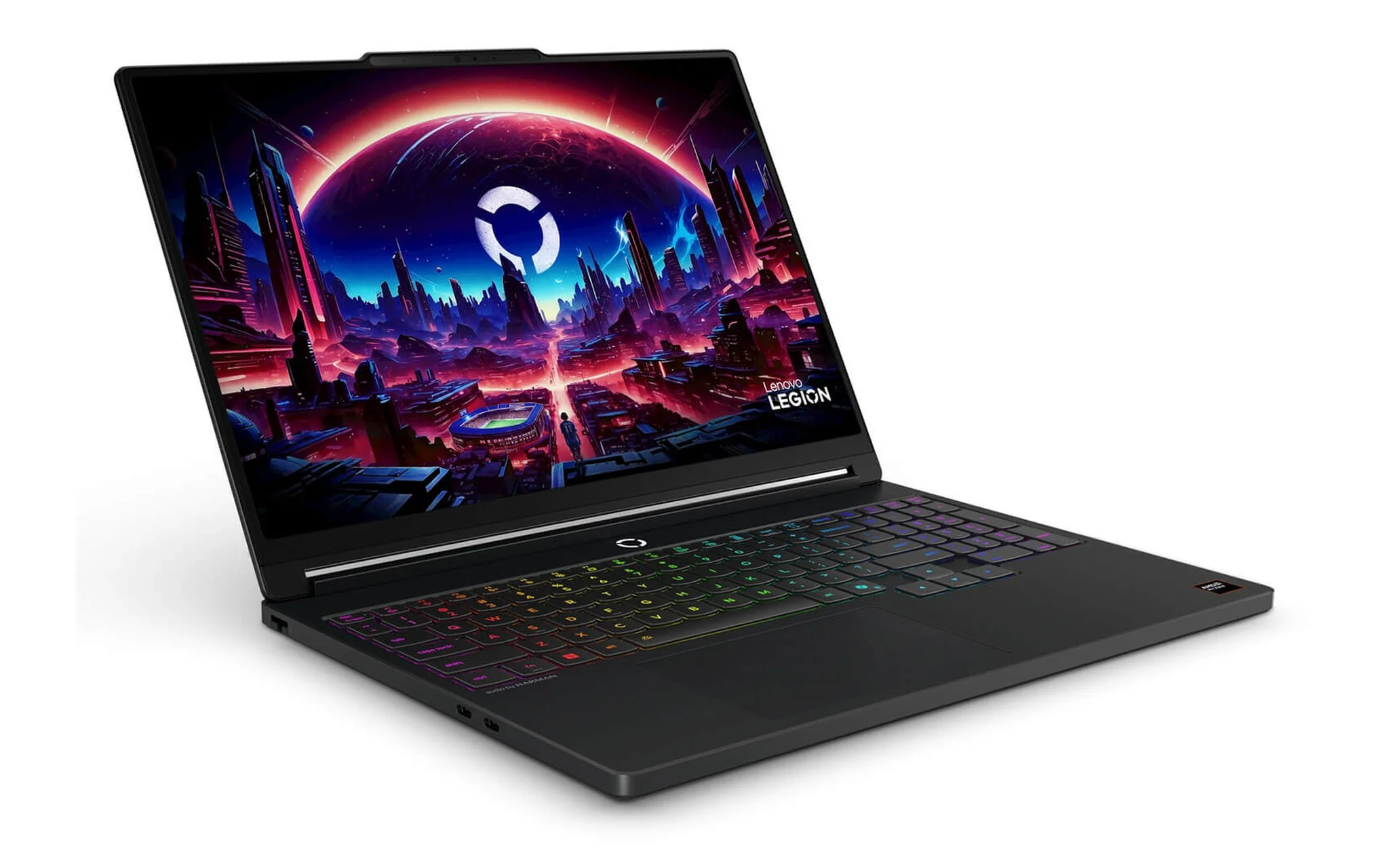
Those needing the longest battery life and Windows AI features should opt for the Lenovo Legion 5 15IPH11 (2026), priced at 56.99 million VND for the Core Ultra 7 356H configuration with 16GB RAM, a 512GB SSD, and an RTX 5060. The 50 TOPS NPU allows this Intel-based Gen 11 Legion 5 to run Copilot+ PC features, and its 13 hours of MobileMark 30 battery life is the highest among the four configurations. The Thunderbolt 4 ports are also convenient when connecting to docks or external drives at the office.
Conversely, if your laptop stays plugged in at a desk almost constantly, the Gen 10 Legion 5 offers much better value for your money. Gamers with a budget around 40 million VND should choose the 15AHP10 RTX 5060 version, while graphics and 3D rendering professionals should aim for the 15IAX10 RTX 5070 with 32GB RAM. Before buying, estimate your ratio of battery use versus plugged-in use, as that is the deciding factor in whether the Gen 11 or the previous generation is the better buy for you.
Frequently Asked Questions
Is the Legion 5 2026 more powerful than the Legion 5 Gen 10?
Not necessarily. Regarding the GPU, both generations are assigned a 115W TGP for the same RTX 50 series cards, so frame rates are nearly equivalent when using the same GPU model. Regarding the CPU, the Ryzen 7 250 and Core Ultra 7 356H in the Legion 5 2026 achieve lower Cinebench R23 multi-core scores than the two HX chips in the Gen 10, according to Notebookcheck data, in exchange for much longer battery life.
Can the RAM and SSD be upgraded on the Legion 5 Gen 11?
Yes. PSREF states that both Legion 5 Gen 11 models feature two DDR5 SODIMM slots for dual-channel support, supporting up to 32GB of DDR5-5600, along with two M.2 PCIe 4.0 slots for SSDs. The 16GB configuration currently on sale uses a single RAM stick, so you can add a second stick to increase capacity and bandwidth.
Which is a better buy: the AMD or Intel version of the Legion 5 2026?
The AMD 15AHP11 is 2 million VND cheaper with the same RTX 5060 card and includes two 40Gbps USB4 ports. The Intel 15IPH11 has a stronger multi-core CPU according to Notebookcheck, a 50 TOPS NPU that meets Copilot+ PC standards, 2.8 hours more MobileMark 30 battery life, and Thunderbolt 4. If you prioritize battery and AI, choose Intel; if you prioritize cost, choose AMD.
How does the Legion 5 2026 display differ from the previous generation?
The Gen 11 Legion 5 uses a 15.3 inch OLED panel instead of the 15.1 inch panel on the Gen 10, both featuring a 2560 x 1600 resolution, a 165Hz refresh rate, and 100% DCI-P3 color gamut. According to PSREF, the new version achieves DisplayHDR True Black 1000 instead of True Black 600, and also includes G-SYNC and Advanced Optimus.