
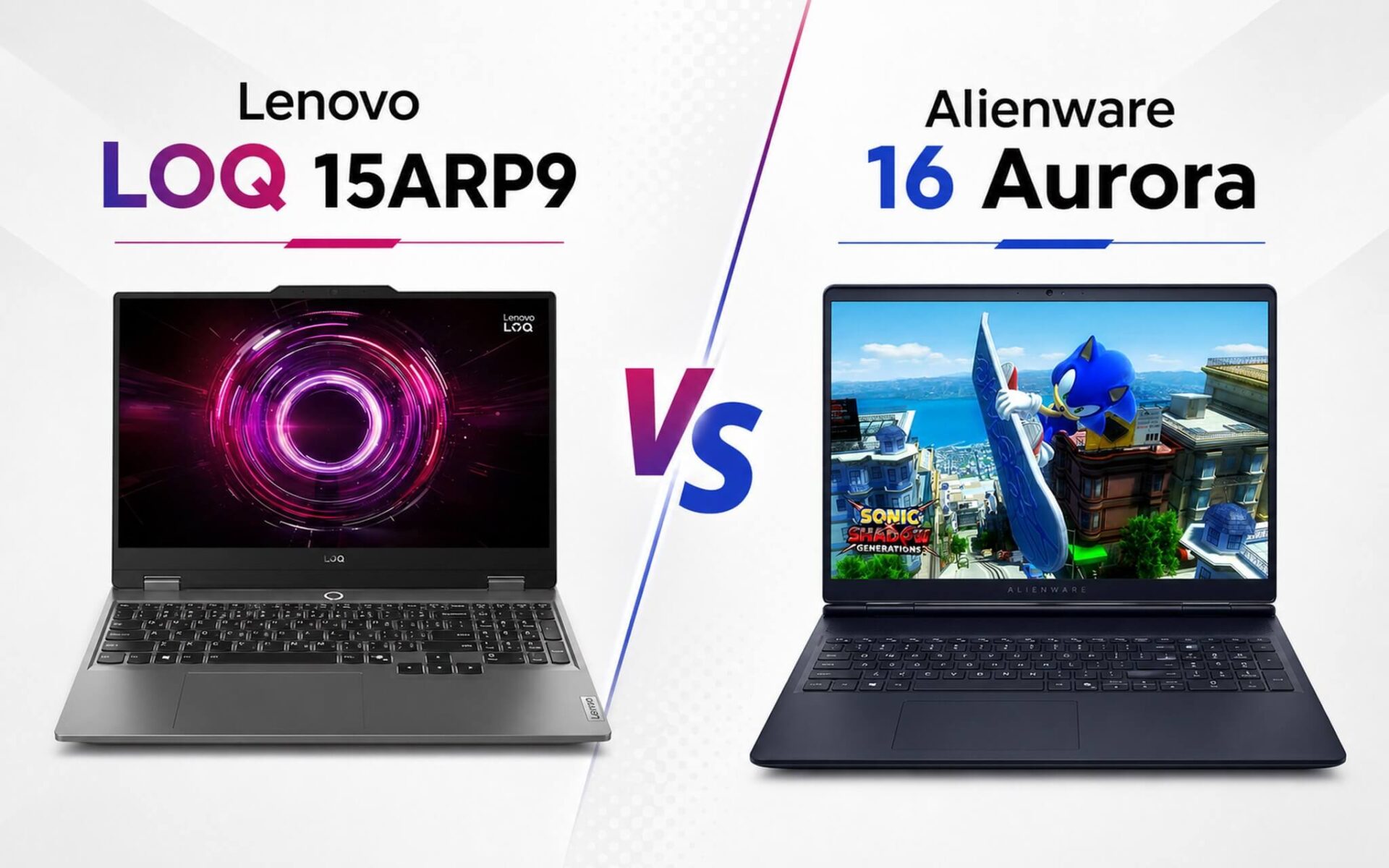
Lenovo LOQ 15ARP9 and Alienware 16 Aurora 2025 both fall within the 20-30 million VND price range, but one offers a smooth 144Hz FHD gaming screen, while the other features a wider QHD+ 16:10 display, 32GB RAM, and a 96Wh battery-nearly double the capacity. A common point of confusion: the Aurora 2025 uses Intel Core Series 2 (Core 5 210H / Core 7 240H), not "15th Gen" or "14th Gen" as many sources mistakenly list. These two machines serve very different types of users; this article will help you determine which one is right for you.
Quick Overview
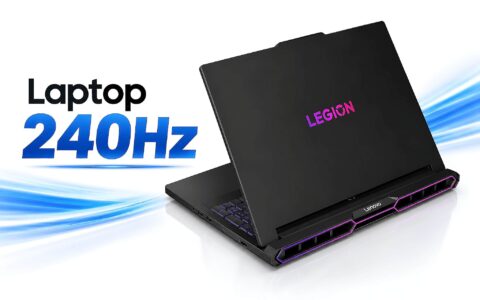
Lenovo LOQ 15ARP9 is an AMD gaming laptop focused on FHD 144Hz and competitive pricing. The entry-level variant uses a Ryzen 5 7235HS (4 cores/8 threads, boost 4.2GHz) with an RTX 3050 6GB, 16GB DDR5-4800 RAM, and a 512GB SSD. The Ryzen 7 7435HS variant steps up to 8 cores/16 threads, boost 4.5GHz, and an RTX 4050 with a TGP of approximately 105W, making it more stable for FHD gaming. Both SO-DIMM slots are available for future RAM upgrades.
| Specifications | Lenovo LOQ 15ARP9 (R5) | Alienware 16 Aurora (Core 5) |
|---|---|---|
| CPU | Ryzen 5 7235HS (4C/8T, boost 4.2GHz) | Core 5 210H (8C/12T, boost 4.8GHz) |
| GPU | RTX 3050 6GB GDDR6 (~95W TGP) | RTX 5060 8GB GDDR7 (Blackwell) |
| RAM | 16GB DDR5-4800 (2x SO-DIMM slots) | 16GB DDR5-5600 (2x SO-DIMM slots) |
| SSD | 512GB PCIe 4.0 NVMe | 512GB PCIe 4.0 NVMe |
| Display | 15.6" FHD 1920x1080, IPS, 144Hz, 300 nits, 100% sRGB | 16" QHD+ 2560x1600, 16:10, IPS, 120Hz, 300 nits, 100% sRGB |
| Battery | 60Wh (~3-5 hours office use) | 96Wh (~5-7 hours office use) |
| Weight | 2.11-2.5 kg | ~2.4-2.7 kg |
| Ports | 3x USB-A, 1x USB-C (DP 1.4/140W PD), HDMI 2.1, RJ45 | 2x USB-A, 2x USB-C (DP/PD), HDMI, RJ45 |
| Reference Price | 20-30 million VND | 20-30 million VND |
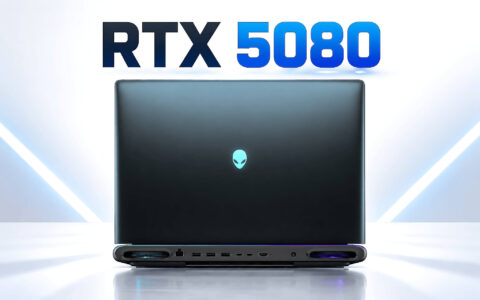
The Alienware 16 Aurora 2025 takes a different approach: a 16" QHD+ display (2560x1600, 16:10 aspect ratio, 120Hz), 32GB DDR5-5600 RAM on high-end variants, and a 96Wh battery providing 5-7 hours of office use. The GPU starts with the RTX 5060 8GB GDDR7 (new Blackwell architecture), achieving a Time Spy score of approximately 11,755 compared to the RTX 4050's 8,125. This is a significant GPU performance gap if gaming is your primary focus.
However, there is one detail to note: the Aurora's screen is only 120Hz despite being QHD+, whereas the LOQ 15ARP9 runs at 144Hz at FHD. If you prioritize smoothness over resolution, the LOQ has the advantage. Conversely, if you need a larger, sharper screen for both gaming and productivity, the Aurora is clearly the better choice.
Both are priced around 20-30 million VND; you should check the actual configurations and prices of the Lenovo LOQ 15ARP9 and Alienware 16 Aurora to choose the variant that fits your budget. The specification table above summarizes the cheapest variants of each machine for quick comparison.
CPU, GPU, Display, and Upgrade Comparison
Regarding the CPU, the Core 5 210H has significantly higher single-core performance: a Geekbench 6 single-core score of 2,415 compared to just 1,818 for the Ryzen 7 7435HS. However, in multi-core tasks, the Ryzen 7 7435HS actually edges ahead (9,679 vs 9,616). This means the Aurora will feel more responsive in single-threaded tasks, while the Ryzen 7 variant of the Lenovo LOQ 15ARP9 handles multi-threaded workloads like rendering or light compiling better.
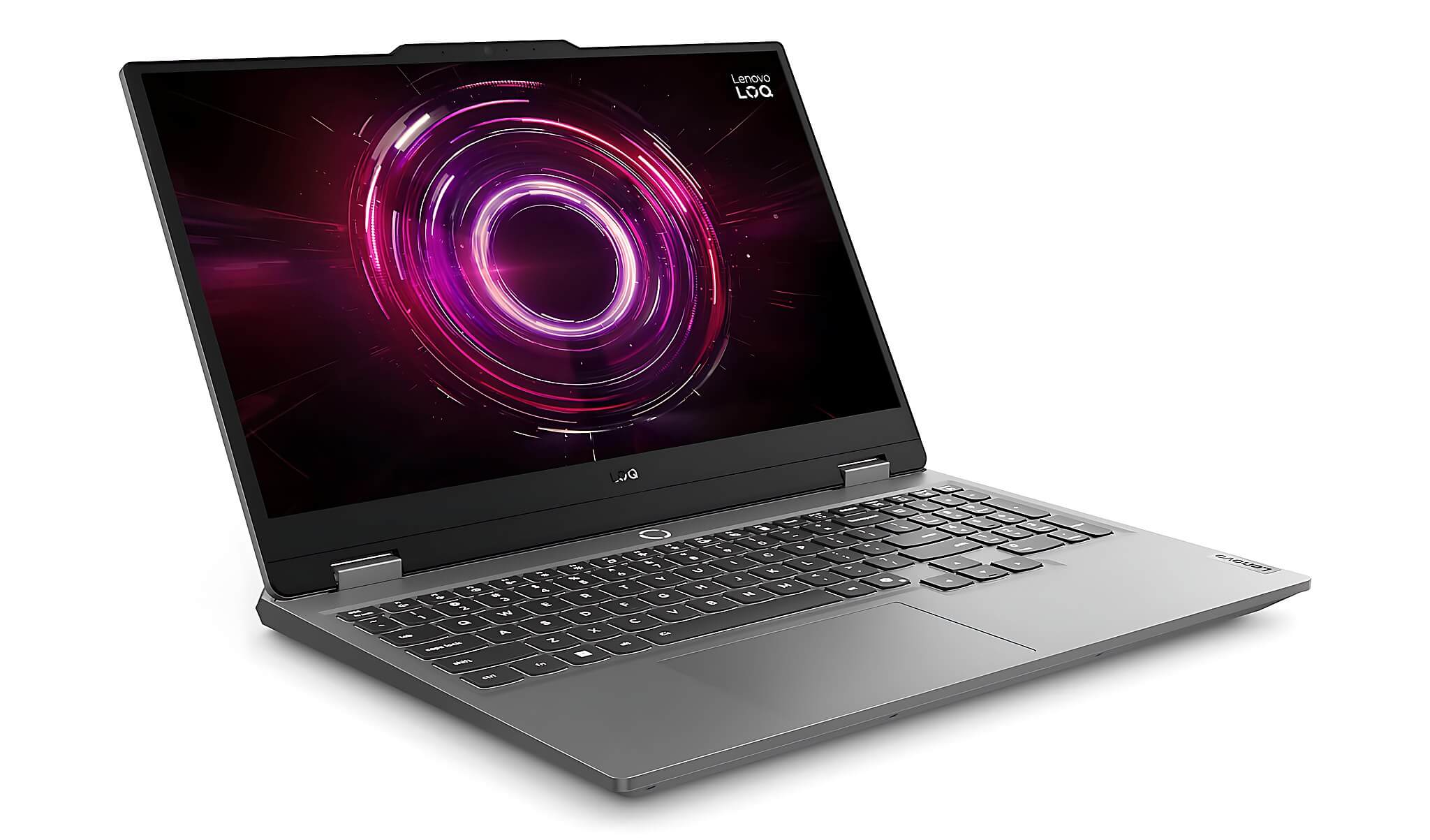
The new GPU gap is where the massive difference lies. The RTX 5060 Laptop (Blackwell) features 3,328 CUDA cores, 8GB GDDR7 VRAM, 448 GB/s bandwidth, and a Time Spy score of approximately 11,755. The RTX 3050 6GB on the entry-level LOQ only reaches a Time Spy score of about 4,571. Even if you choose the LOQ Ryzen 7 variant with an RTX 4050 (Time Spy ~8,125), the gap remains significant compared to the Aurora's RTX 5060, not to mention the RTX 5070 on higher variants which reaches up to 13,535 in Time Spy.
Regarding the display, this is where the two machines diverge completely. The LOQ 15ARP9 opts for 1080p FHD but at 144Hz, which helps FHD games run smoother and prevents the GPU from being overstretched. The Aurora prioritizes QHD+ 2560x1600 resolution with a 16:10 aspect ratio, offering a noticeably wider and sharper screen, but only at 120Hz. For competitive gamers playing FPS titles, the LOQ's 144Hz is more suitable. For those using the machine for graphics, design, movies, or coding, the Aurora's QHD+ offers much more value.
Post-purchase upgrades: both feature 2x SO-DIMM slots. The LOQ 15ARP9 supports up to 32GB, while the Aurora is likely capable of up to 64GB depending on the product line. SSD options are similar: the LOQ has two M.2 slots (one 2242 and one 2280), and the Aurora likely also has two slots, though this should be confirmed per specific SKU. This is a detail Hung Phat carefully verifies before advising customers on upgrades.
Should You Choose Lenovo LOQ 15ARP9 or Alienware Aurora?
Choose the LOQ 15ARP9 if you primarily play FHD games, want to optimize your budget, and do not require long battery life. The Ryzen 7 variant with an RTX 4050 provides stable FHD gaming performance, and the 144Hz screen makes shooters and MOBA games noticeably smoother than the Aurora. It is also slightly lighter (starting from 2.11kg), making it easier to carry to school or work. If you are considering similar options, our comparison between LOQ 15ARP9 and HP Victus 15 is also worth reading to better understand this segment.
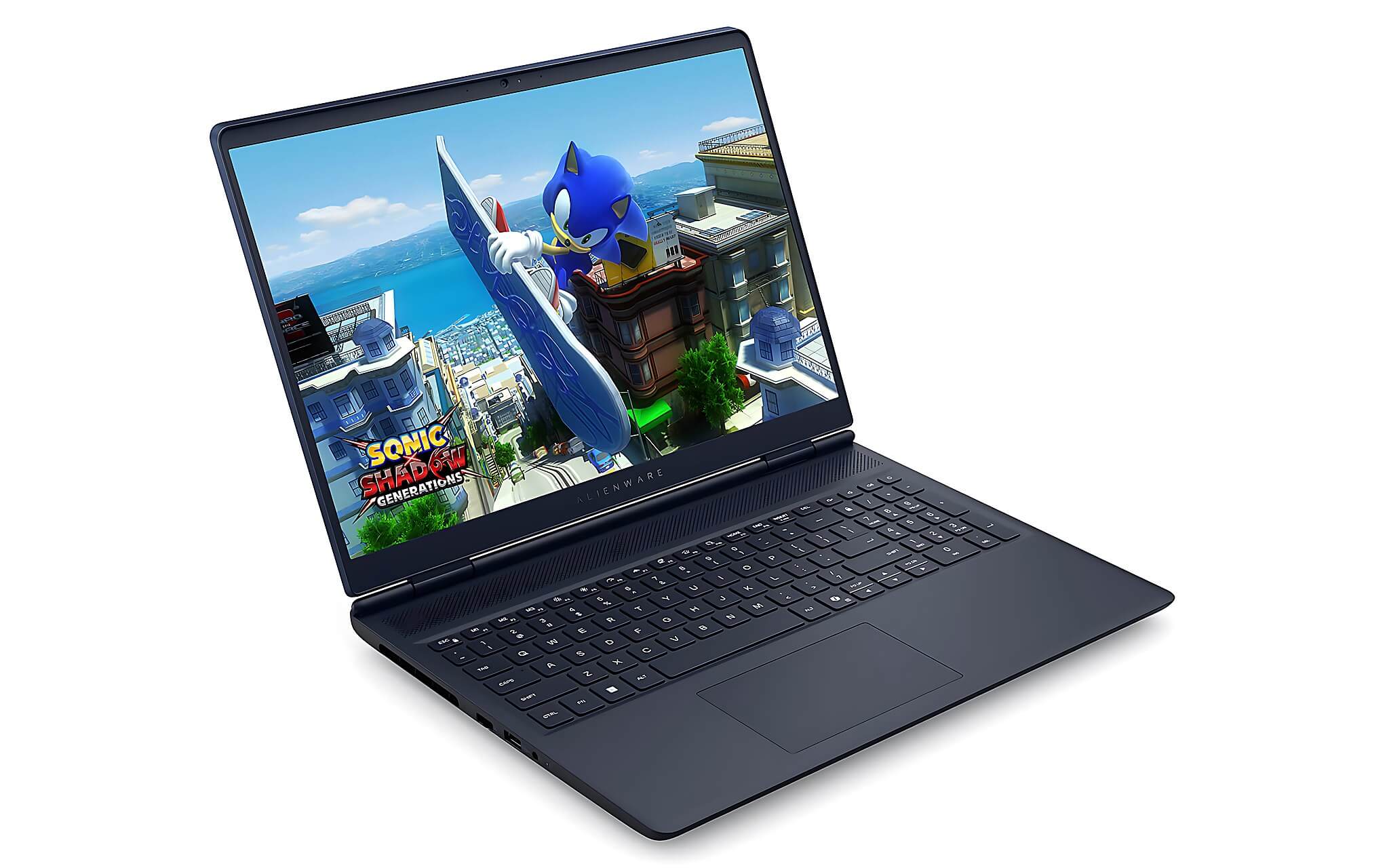
Choose the Alienware 16 Aurora if you want a much more powerful GPU (RTX 5060 or higher), long battery life (96Wh for 5-7 hours), and a QHD+ screen for gaming, movies, or color-sensitive work. The Core 7 variant with 32GB RAM and an RTX 5060/5070 is ideal for those needing a more versatile machine, including IT students who require extra performance for heavy workloads. Check out our laptop options for IT students if you are considering multiple alternatives.
The real downsides of each: the LOQ 15ARP9's 60Wh battery only lasts 3-5 hours for office tasks and almost requires being plugged in during heavy use. The Aurora is heavier, and the exact GPU TGP for specific SKUs sold in Vietnam should be verified before purchase. We recommend confirming the TGP and testing the weight in person when visiting us in Ho Chi Minh City to avoid surprises.
In summary: if you need 144Hz FHD for smooth FPS gaming and have a flexible budget, the LOQ 15ARP9 wins for direct gaming experience in this price range. If you need a more powerful GPU, a wider QHD+ screen, long battery life, and 32GB of RAM out of the box, the Aurora 2025 is the more comprehensive choice, especially if you use the machine for more than just pure gaming.
Frequently Asked Questions (FAQ)
How much does the actual gaming performance differ between the two machines?
The RTX 3050 6GB on the entry-level LOQ 15ARP9 runs FHD games at medium to high settings (Time Spy ~4,571), making it suitable for Valorant, CS2, and FIFA at high settings. The Ryzen 7 variant with an RTX 4050 is significantly stronger with a Time Spy score of around 8,125, capable of handling heavy games like Cyberpunk 2077 at FHD Medium-High. The RTX 5060 on the Aurora (Time Spy ~11,755, with 448 GB/s GDDR7 bandwidth) shows a clear gap: heavy games in both FHD and QHD+ will run at much higher settings. If gaming is your top priority, the GPU is the biggest differentiator between the two.
How do the battery life and temperatures differ in real-world use?
The LOQ 15ARP9 has a 60Wh battery, lasting about 3-5 hours for office work and only about 1 hour during heavy gaming. The Aurora 2025 has a much larger 96Wh battery, lasting 5-7 hours for office work and about 1-1.5 hours for heavy gaming. Regarding heat, the LOQ 15ARP9 uses a dual-fan cooling system; with the RTX 4050 TGP at approximately 105W, you should monitor temperatures during continuous loads. For the Aurora 2025, the exact TGP for the RTX 5060/5070 varies by SKU in Vietnam, so please ask for details when purchasing to know the actual operating levels.
Is the price difference between the two variants worth the GPU upgrade?
Comparing the LOQ 15ARP9 RTX 4050 to the Aurora RTX 5060 within the same 20-30 million VND range, the Time Spy gap is 8,125 vs 11,755, meaning the RTX 5060 is roughly 45% more powerful in graphics benchmarks. For heavy games or AI/rendering workloads, the Aurora has a clear advantage. However, if you only play standard FHD games or esports, the RTX 4050 on the LOQ is sufficient and allows you to save money to upgrade RAM or SSD. The decision to upgrade depends on your preferred games: for heavy AAA titles, the Aurora is worth the investment; for FHD esports, the LOQ is more practical.
Who should choose the LOQ 15ARP9 and who should choose the Aurora 2025?
The LOQ 15ARP9 is best for those who primarily play FHD games, prioritize a smooth 144Hz screen, and want to save budget for future RAM or SSD upgrades. It is also lighter and more portable. The Aurora 2025 is better if you need a Blackwell generation GPU (RTX 5060/5070), a wide 16:10 QHD+ screen for work and movies, 32GB of RAM out of the box, and a 96Wh battery for long days away from a power outlet. If you are an IT student or a designer who also games, the Aurora 2025 is much more versatile. If you just need a pure FHD gaming machine, the LOQ 15ARP9 remains a compact and efficient choice in its price range.