
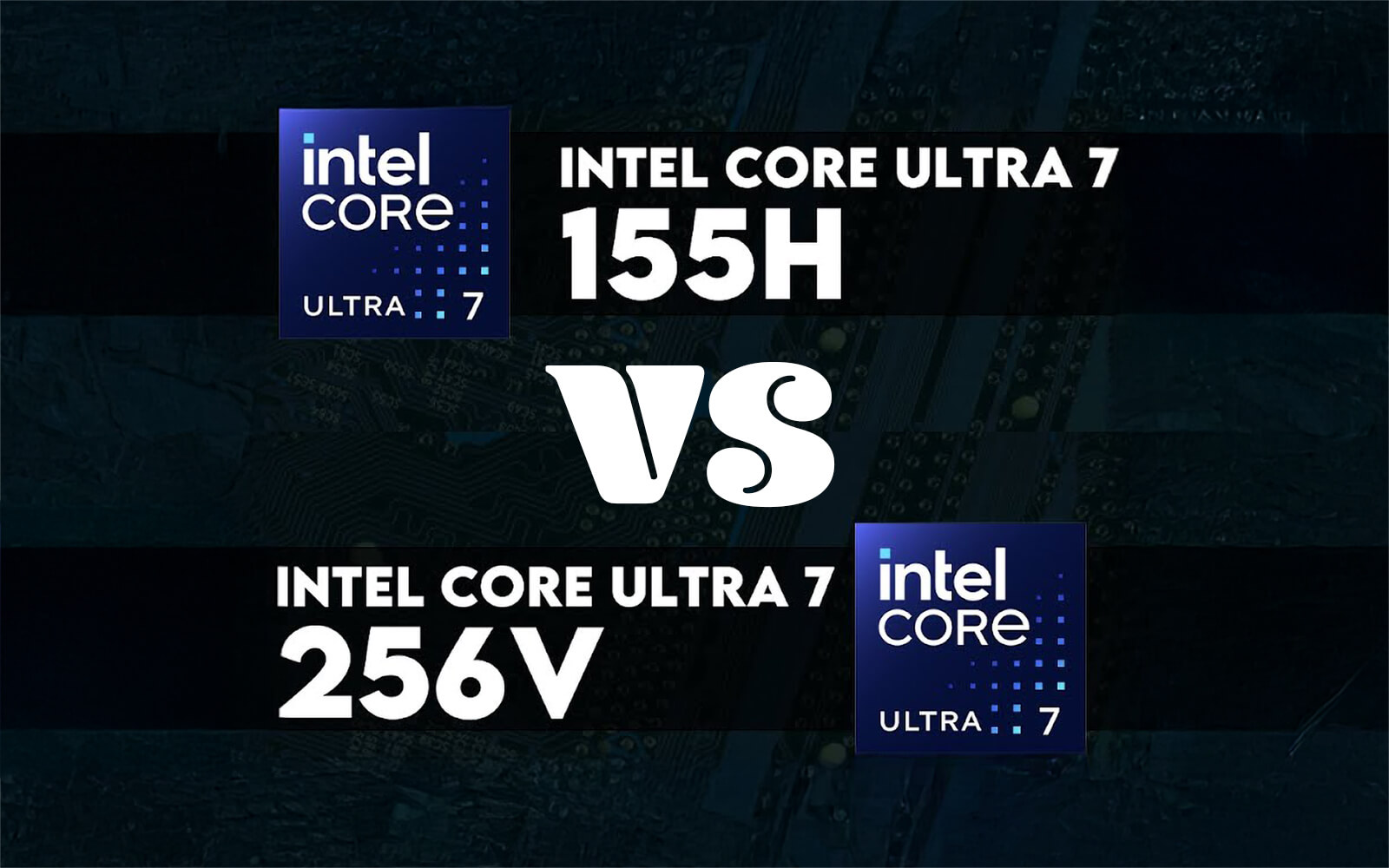
A performance comparison of the Core Ultra 7 256V and the Core Ultra 7 155H matters to anyone shopping for a high-performance laptop. Both processors are top-tier Intel products, but each has its own strengths and weaknesses.
Intel Core Ultra 7 155H - Stronger Graphics
The Intel Core Ultra 7 155H is one of the most powerful chips available today, with 16 cores and a base clock of 1.4 GHz. It is built on a 7nm process, which delivers optimal performance and power efficiency.

Superior Processing Performance
In standard benchmarks, the Core Ultra 7 155H posts impressive scores. On Cinebench R23, it reaches 13.144 points in the multi-core test, 8% ahead of the Core Ultra 7 256V. On Geekbench 6, it also scores 12.518 points in multi-core, 19% higher than its rival.
This shows that the Core Ultra 7 155H has excellent multitasking power, handling compute-heavy work such as video editing, 3D rendering, and professional applications with ease.
Graphics Advantages
Beyond raw processing performance, the Core Ultra 7 155H also stands out for its graphics. The chip integrates Arc Graphics with 8 cores and speeds of up to 1.950 MHz. That noticeably improves performance in games and in applications that demand heavy graphics processing.
Compared with the Core Ultra 7 256V, the 155H delivers better graphics performance, which better serves users who need intensive graphics work.
Larger Cache
Another advantage of the Core Ultra 7 155H is its larger L3 cache: 24MB versus 12MB on the 256V. This improves data-processing performance, especially when running applications that need to access large amounts of data.
Overall, the Intel Core Ultra 7 155H is an excellent choice for anyone who needs a laptop with strong graphics and processing performance. It suits tasks like photo and video editing, 3D design, and gaming.
Intel Core Ultra 7 256V - Optimized Performance, Energy Savings
While the Intel Core Ultra 7 155H shines at multitasking and graphics, the Core Ultra 7 256V has advantages of its own.
Higher Clock Speed
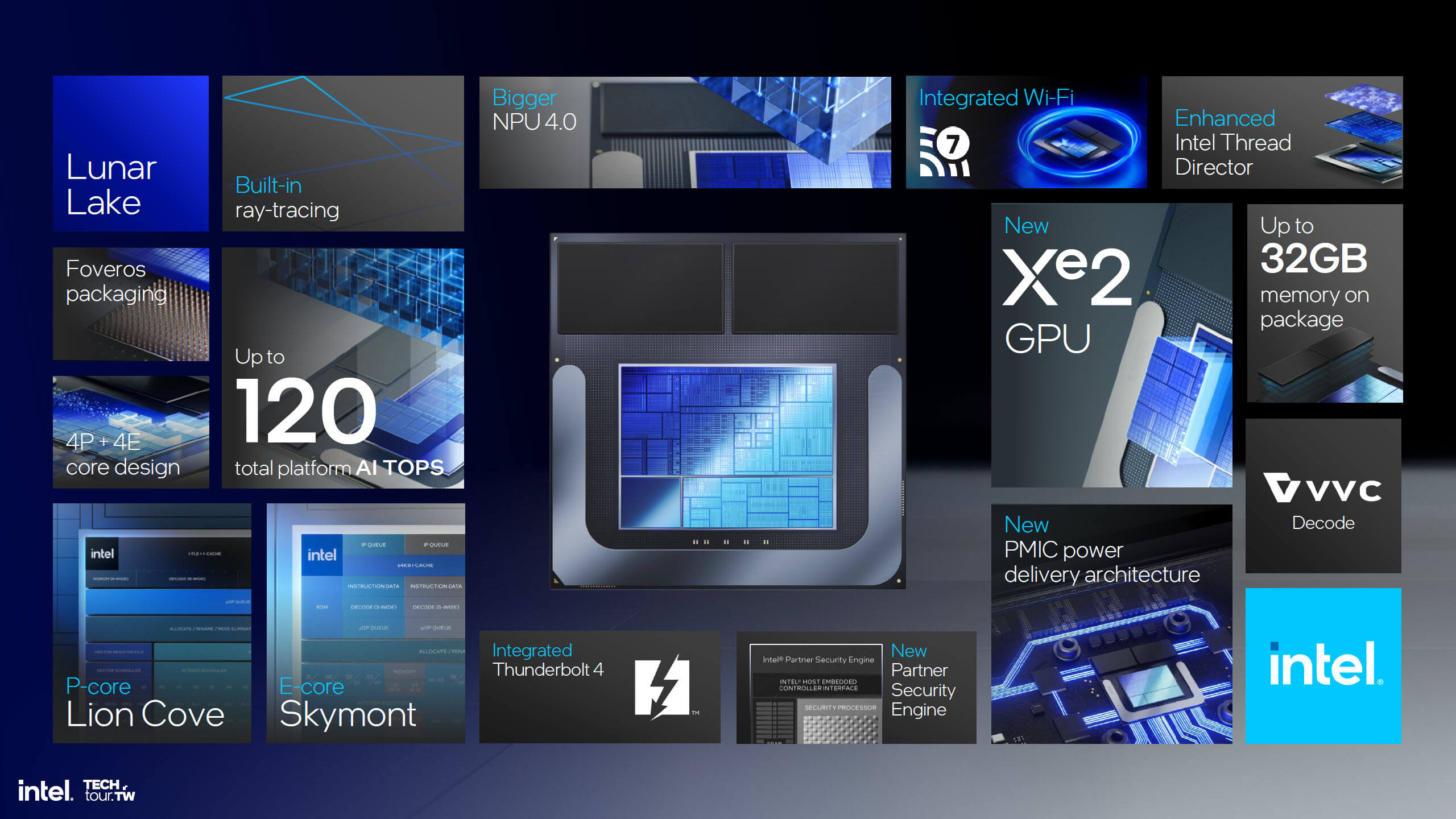
One of the Core Ultra 7 256V's highlights is its higher base clock speed of 2.2 GHz, compared with 1.4 GHz on the 155H. That gives the 256V better single-core performance and makes it more effective in applications that depend on single-core speed.
On Cinebench R23 Single Core, the Core Ultra 7 256V scores 1.995, 15% higher than the 155H. On Cinebench 2024 Single Core, it is up to 30% ahead.
Newer Technology
Another advantage of the Core Ultra 7 256V is that it is built on a 3nm process, which is more modern than the 155H's 7nm. This gives the 256V better power efficiency and lower power consumption.
Specifically, the Core Ultra 7 256V draws just 37W at its TDP, far below the 155H's 65W. That makes the 256V a great fit for mobile devices like laptops: it uses little power while still delivering high performance.
Better Memory Support
The Core Ultra 7 256V also stands out for its memory support. It can use LPDDR5X-8533, with bandwidth of up to 136GB/s, well above the 155H's 120GB/s.
This is a big benefit when running applications that need to access large amounts of data, such as 4K video processing, professional photo editing, and AI/ML workloads.
In short, the Intel Core Ultra 7 256V is a worthwhile choice for anyone who needs a high-performance, energy-efficient laptop. It suits office work, programming, and some light graphics applications.
Overall Comparison - Finding the Laptop That Best Fits Your Needs
After looking at the features and performance of the Intel Core Ultra 7 155H and 256V, it is clear that each chip has its own strengths. So which one is the best choice for you?

Processing Performance Compared
In multithreaded performance, the Core Ultra 7 155H has a clear edge. With 16 cores, it beats the 256V by 8% on Cinebench R23 Multi Core. This suggests the 155H will be stronger in tasks that demand heavy computing power, such as video editing and 3D rendering.
On single-core performance, however, the 256V comes out 15% ahead on Cinebench R23 Single Core. That means it will be stronger in applications that depend on single-core speed.
Graphics Compared
On graphics, the Core Ultra 7 155H is the better option. It integrates Arc Graphics with higher performance, up to 5.76 TFLOPS. That is very useful for tasks like gaming, photo and video editing, and 3D design.
The 256V, meanwhile, has no dedicated graphics card and relies only on integrated graphics. So if you have heavy graphics workloads, the 155H is the better pick.
Energy Efficiency Compared
A notable advantage of the Core Ultra 7 256V is its better energy efficiency. It draws just 37W at its TDP, far below the 155H's 65W. This is especially useful for mobile devices like laptops, since it extends battery life and reduces heat output.
If you need a high-performance laptop that is still portable and energy-efficient, the Core Ultra 7 256V is worth considering.
Choosing What Fits Your Needs
In short, the Intel Core Ultra 7 155H and 256V are both powerful processors, but each has its own strengths. The 155H leads in multithreaded performance and graphics, while the 256V has the advantage in single-core performance, energy efficiency, and memory support.
So the right chip depends on your needs and the main applications you use. If you need a powerful laptop for multithreaded tasks and heavy graphics work, the Core Ultra 7 155H is an excellent choice. If you want a high-performance machine that still saves energy, the Core Ultra 7 256V is worth considering.
Reference: Intel Core Ultra 7 155H Benchmark: Specs & Performance
Reference: Intel Core Ultra 7 256V Benchmark