
The habit of releasing major annual updates for Android has now followed a path similar to the OS's former dessert-inspired names. The launch of Android 16 QPR2 officially marks the end of the era of having only one major update per year. Now, users will receive up to two important operating system updates within a single year, opening a new chapter for the development of the world's most popular mobile platform.
Google changes Android release schedule
Since Google released the first Android version in 2008, the tech giant has almost always maintained a schedule of releasing one major update every year. However, this traditional approach often resulted in a situation where Android phones, even relatively new ones, had to wait months to receive the latest operating system version after it had already been updated for the "darling" Pixel devices.
However, much like when Google decided to stop naming Android versions after desserts (in alphabetical order) and switched to using simpler numbers, things have now changed. The appearance of Android 16 QPR2 marks the beginning of Google's twice-a-year release schedule.
This update follows the first Android 16 rollout last June. As usual, the devices that will first receive this upgrade are Google's Pixel lineup, specifically from the Pixel 6 series onwards. This is a strategic move aimed at ensuring greater timeliness and synchronization for the Android ecosystem.
https://www.youtube.com/watch?v=xwWXXeOBYKk
Improvements to notifications and interface on Android 16 QPR2
Compared to the June update, this release version has fewer changes in terms of quantity, but the quality focuses on the daily user experience. One of the biggest and most valuable additions is a smarter approach to notifications.
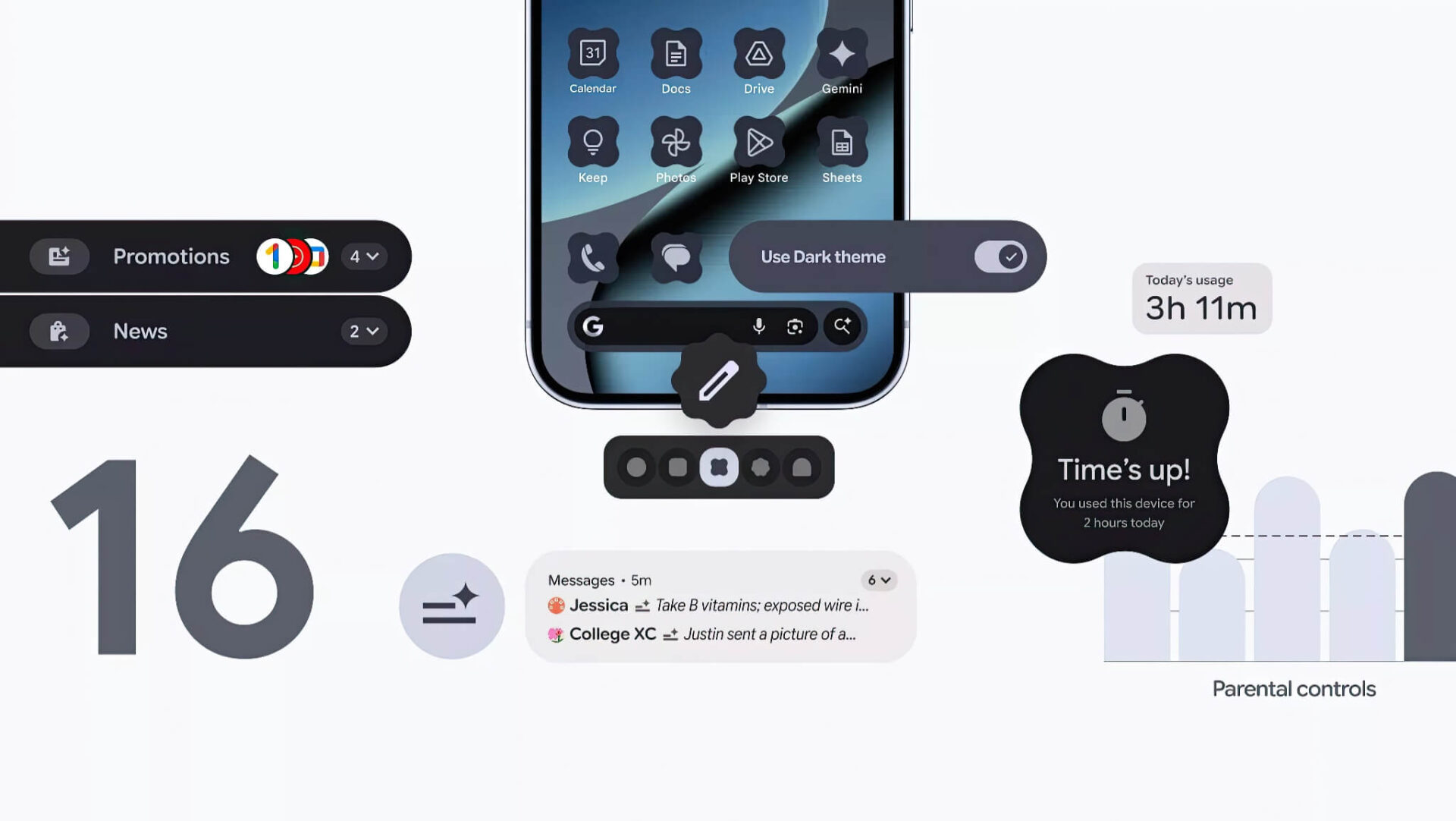
Specifically, Android 16 QPR2 introduces a new notification organizer. This feature will automatically sort low-priority alerts into separate categories such as News, Promotions, or Social Media. This helps the user's notification shade become cleaner and easier to manage. Additionally, Google has integrated an AI-powered notification summary feature. This tool is designed to condense long conversations or rapid-fire group messages into highlights, helping users quickly grasp information without having to read every single message.
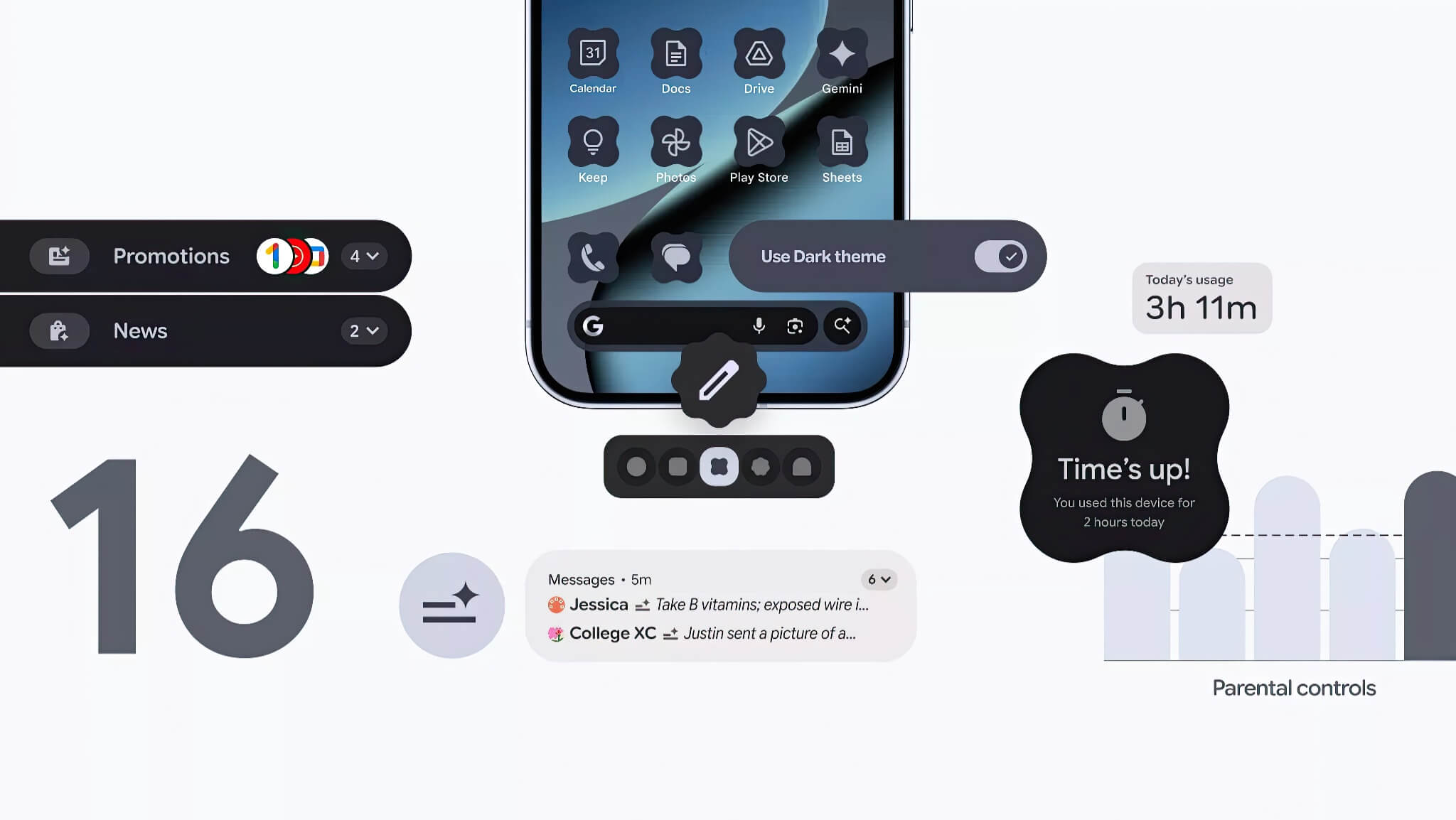
Not stopping at notifications, Android 16 QPR2 also gives users more control over the appearance of the home screen. Now, you can choose various custom icon shapes, moving beyond the previous boring default circular framework. In particular, the forced or auto-themed icons feature will ensure aesthetic consistency across the entire interface, even for apps that do not naturally support this feature.
Dark theme also receives a significant upgrade with the "Expanded Dark Theme" option. This feature will force the application of dark mode in many apps that default to light mode, helping to better protect users' eyes and create consistency across the entire system.
Lock screen widgets and developer support
The QPR2 version brings back or expands several extremely convenient system-level utilities. Notable is the return of lock screen widgets. Users can access them by swiping left, allowing them to pin frequently used widgets for quick access without unlocking the device.
In addition, the update also brings improvements to brightness control in HDR content through a new Enhanced HDR brightness slider. This tool helps users better manage display intensity when watching high dynamic range media, providing a better visual experience.
Behind the scenes, Android 16 QPR2 provides expanded capabilities for developers and media. The update includes new APIs for audio, media routing, and multi-display testing-along with other low-level improvements. This provides app developers with more tools to create without forcing them to rewrite source code for compatibility, helping the app update process run more smoothly.